Team building describes the process of bringing together different people or employees of a company to form a working group. This can either exist permanently or be brought together for a single project. As a rule, teams are made up of people with different skills and areas of work, often with different social skills, in order to complement each other in the best possible way.
Corporate success is based on teamwork
The success of a company is not only based on convincing products and services, but above all on the quality of its employees and well-functioning teams. Skilful and prudent team building ensures that there is a certain heterogeneity in terms of knowledge and qualifications, which allows the individual team members to complement and stimulate each other. In this way, the various tasks involved in carrying out a project can be solved with the existing expertise within the team without the need for external intervention.
The advantages of teamwork are also one reason why many companies are resisting the trend towards more home office activities. Team spirit and successful group work simply offer more opportunities to increase efficiency and productivity, as communication channels are shorter and decisions can be made more quickly. Well-functioning teams ensure that each individual employee is significantly more motivated and identifies more strongly with their own company, so that we can agree with the Greek philosopher Aristotle, who said more than 2000 years ago: "The whole is greater than the sum of its parts."
Team building and team development are a comprehensive process
However, the meaning of the term team building encompasses many more aspects than just the mere personnel composition of a group. As a manager, you can of course stand up, select five of your employees, for example, and say: "So, you are now all Team ABC and will ensure that our project XYZ is successfully completed by then and then." The technical qualifications of the employees may be sufficient. However, mutual trust and the dynamics within a group are at least as important, perhaps even more important than the skills and knowledge of each individual.
Team building is a process that takes place over time, sometimes automatically and in different phases. However, this process can also be actively managed in order to continuously improve cohesion and cooperation. This includes, for example, analyzing the current state of teamwork at regular intervals. Questions can include What is going well? What is going badly? What can we do better? Which structures need to be optimized? Many ideas and instructions for group exercises can be found in specialist literature or on relevant websites in order to highlight dynamic developments and mechanisms in the team and uncover both positive and negative aspects.
The most important prerequisite for eliminating negative aspects and optimizing cooperation is open and trusting communication between the individual team members as well as the team and the responsible manager. Training and coaching, feedback techniques and moderated workshops can be used to strengthen skills and redefine structures. Team-building events, events in which the entire team takes part but which are not directly related to work, are at least as important.
Team events support team building in the long term
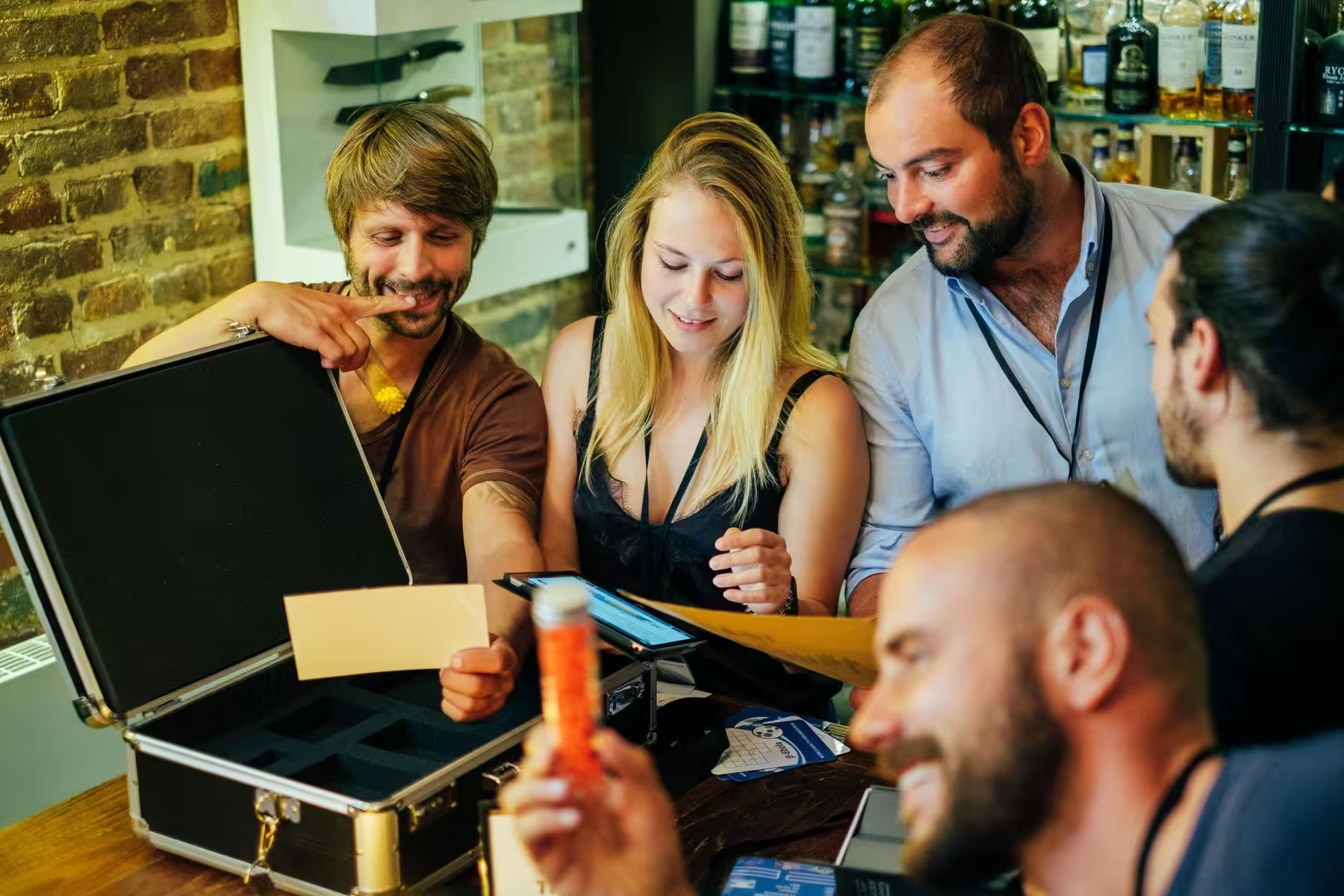
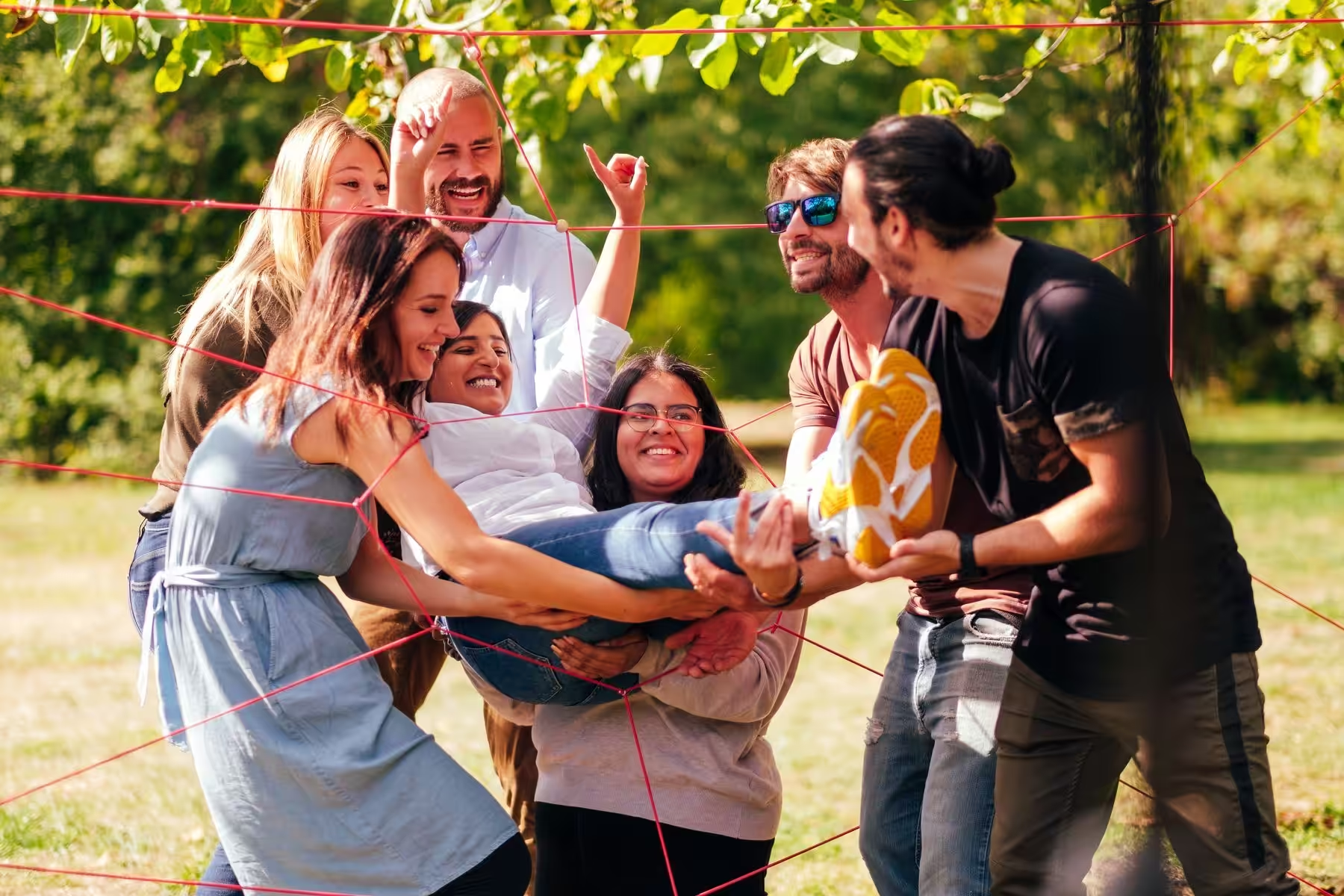
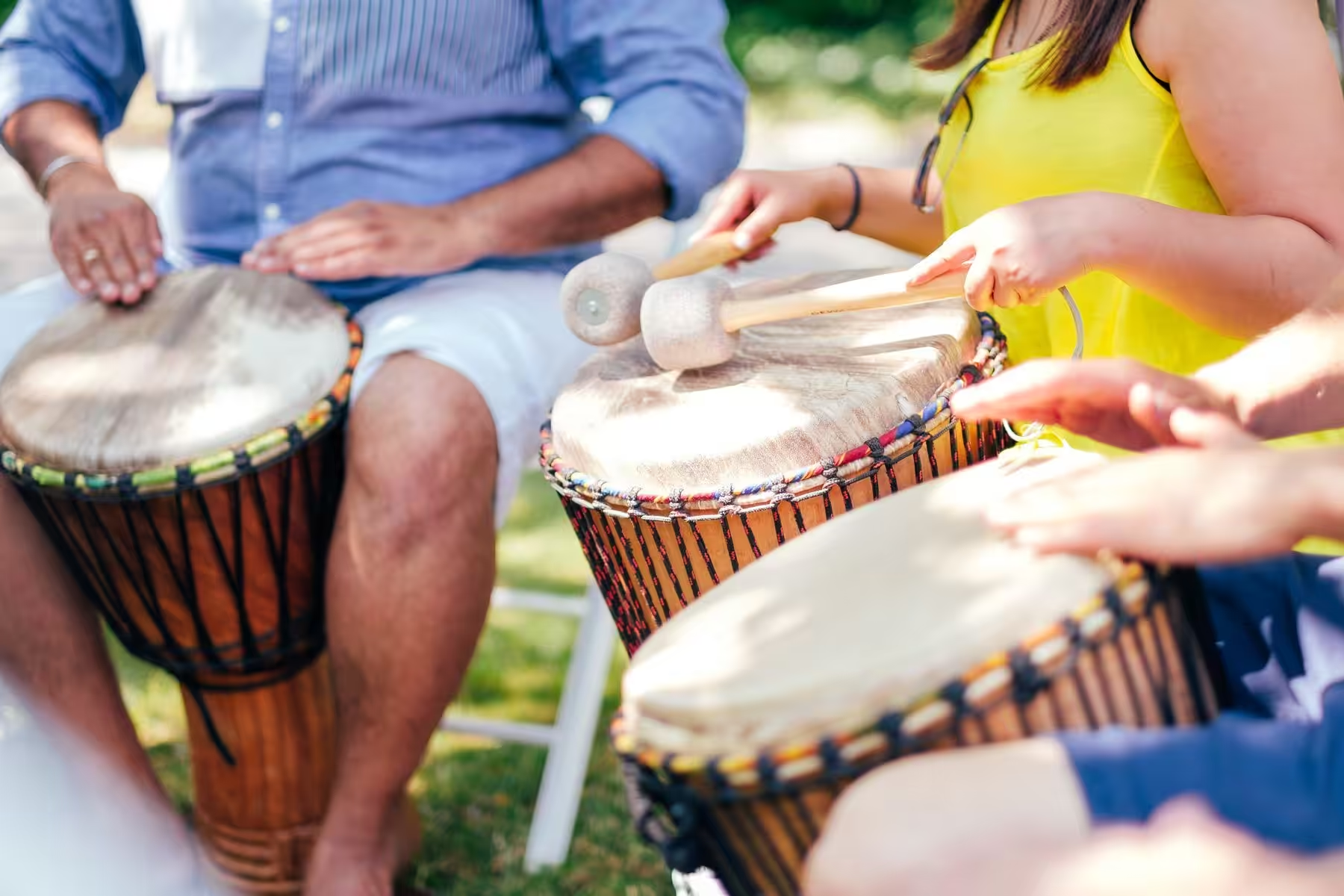
The fact that team events promote and strengthen cooperation and communication within the group has now been accepted by every company that is open to modern management methods. There are an incredible number of ideas for what such an event can look like. Sporting events, creative events, communal cooking and eating are just some of the ways to bring a team together outside of working hours.
Here, each individual employee can reveal skills and contribute to the shared experience that may provide surprises and shed a whole new light on their social and professional skills. For example, an otherwise rather taciturn IT specialist becomes a highly communicative chef who shows and explains to his colleagues how best to prepare a particular dish. Or a sober sales employee who only juggles figures and statistics in her job develops unexpected creativity when working with canvas, brushes and paints.
Successful team events outside of work ensure a relaxed atmosphere among colleagues and an increased sense of well-being. Both of these in turn have a positive effect on work and communication in the workplace. Employees develop new qualities in conversations and experience a change in the way they value each other because they have gained new experiences through a team event.

Every company can benefit from team events
An active team-building event with controlled processes within the company and events with a more fun character outside of work ensures greater satisfaction within the group, a stronger bond and identification with the company. A working atmosphere is created in which competitive thinking fades into the background and a new sense of togetherness defines everyday life. Satisfied employees are more productive and motivated, more open in their communication and more willing to discuss weaknesses and mistakes.
Investing in team events and active team building is therefore worthwhile for any company, as it ensures motivation and productivity. Satisfied employees are also a figurehead and improve the company's image in the eyes of the public and its own target groups.